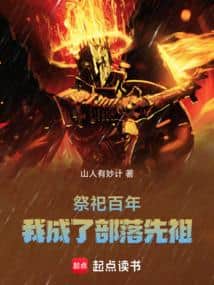
After a hundred years of sacrifice, I became the tribal ancestor.
English availability68 / 442
15.4% available in EnglishAbout this novel
Transmigrated to the Great Wilds, Shen Can became the guardian of the Zhiyan Tribe's ancestral temple due to his "frail" body, responsible for the daily sweeping, incense offerings, and routine sacrifices. In the Great Wilds, floods, earthquakes, and calamity beasts ran rampant.Show more
The human race sacrificed to Heaven and Earth, but it was useless. Offering sacrifices to the calamity beasts was also useless. The human ancestors hunted wild beasts and used their blood to refine their own bodies, creating the first generation of martial arts cultivation methods to seek survival and food within the Great Wilds. Although this method was riddled with flaws—causing blood-qi riots that burned meridians and destroyed the body during cultivation—and the path forward was incomplete, it allowed the human race to secure a sliver of survival in the Great Wilds. Thus, the various tribes of the Great Wilds built ancestral temples to sacrifice to their ancestors every year, remembering the hardships of their pioneers. Even the prey brought back from hunts would be offered to the ancestral temple for the ancestors to enjoy. Following his duties as the temple guardian, Shen Can used the "Luan Knife" to pierce the necks of wild beasts and offer their blood to the ancestors, only to discover that he could absorb the lifespan of the wild beasts to deduce cultivation methods. From this point on, who says that the martial path must stop before the seventh rank and forever remain beneath the calamity beasts? ... Many years later, the calamity beast Wuzhiqi arrived outside the Zhiyan Tribe, bringing a sweeping, heaven-defying flood. The land became a vast ocean, and the tribespeople knelt prostrate outside the ancestral temple. "We beg for the ancestors' protection!" This book is also titled: "I Steal the Ancestors' Offerings to Nourish Myself" and "Ancestral Offerings: Who Eats Them Doesn't Matter."
Details
- Author
- Shan Ren You Miao Ji
- Original title
- 祭祀百年,我成了部落先祖
- Status
- Ongoing
- Language
- zh
- Last update
- 13.10.2026
Genres & Tags
Genres
Premise
Other tags
Chapters are machine-translated by AI, with ongoing community review — quality may vary between chapters.
Latest Release
442Chapter 442 Not translated07.10.2026441Chapter 441 Not translated07.10.2026440Chapter 440 Not translated07.10.2026439Chapter 439 Not translated07.10.2026438Chapter 438 Not translated07.10.2026Chapters442
Reader verdicts
Reviews
—Awaiting ratings0 reviews
Sign in to leave a review.
No reviews yet. Be the first to write one!